
Screen Door Company · Australia
Open your door.
Keep the bugs out.
Fresh air, easy access and a screen that closes behind you. Find the right magnetic door screen for your home.
Free shipping across Australia on orders of $75 or more
 More breeze. Less bother.
Magnetic closureBlack & whiteSizes for your doorwayAustralia-wide delivery

A good fit starts with a tape measure
Measure once. Enjoy every breeze.
Check the width and height of your doorway and the space around the frame for fastening. Each size option shows the width and height in centimetres. Compare both before ordering.
Explore the screen guideFinally a magnetic insect screen door with durable heavy duty magnets and a superior mesh curtain which lets you enjoy the breeze (insect free) in your house whilst leaving your doors open.
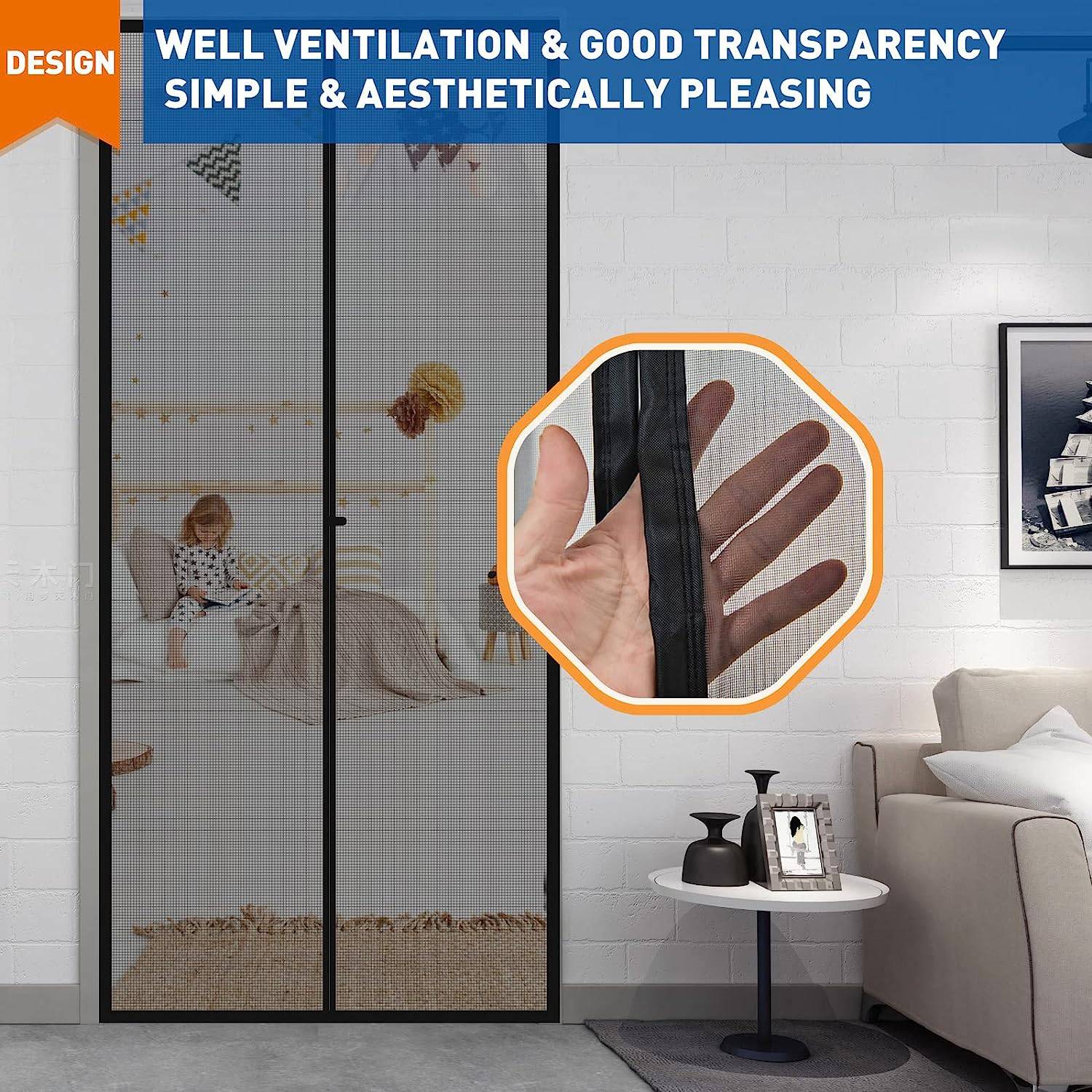
This insect screen door is not only great in keeping out insects and flies, but also allows fresh air & sunshine to flow into your home.
Fast delivery direct to your door all across Australia
A Durable Magnetic Door Fly Screen
Easy to maintain & highly durable, these magnetic fly screen doors are great for the summer months where a steady stream of cool air is much needed inside any room.
As well as keeping the flies out, these premier do it yourself magnetic insect screen doors will not obstruct your view or block out any natural light.
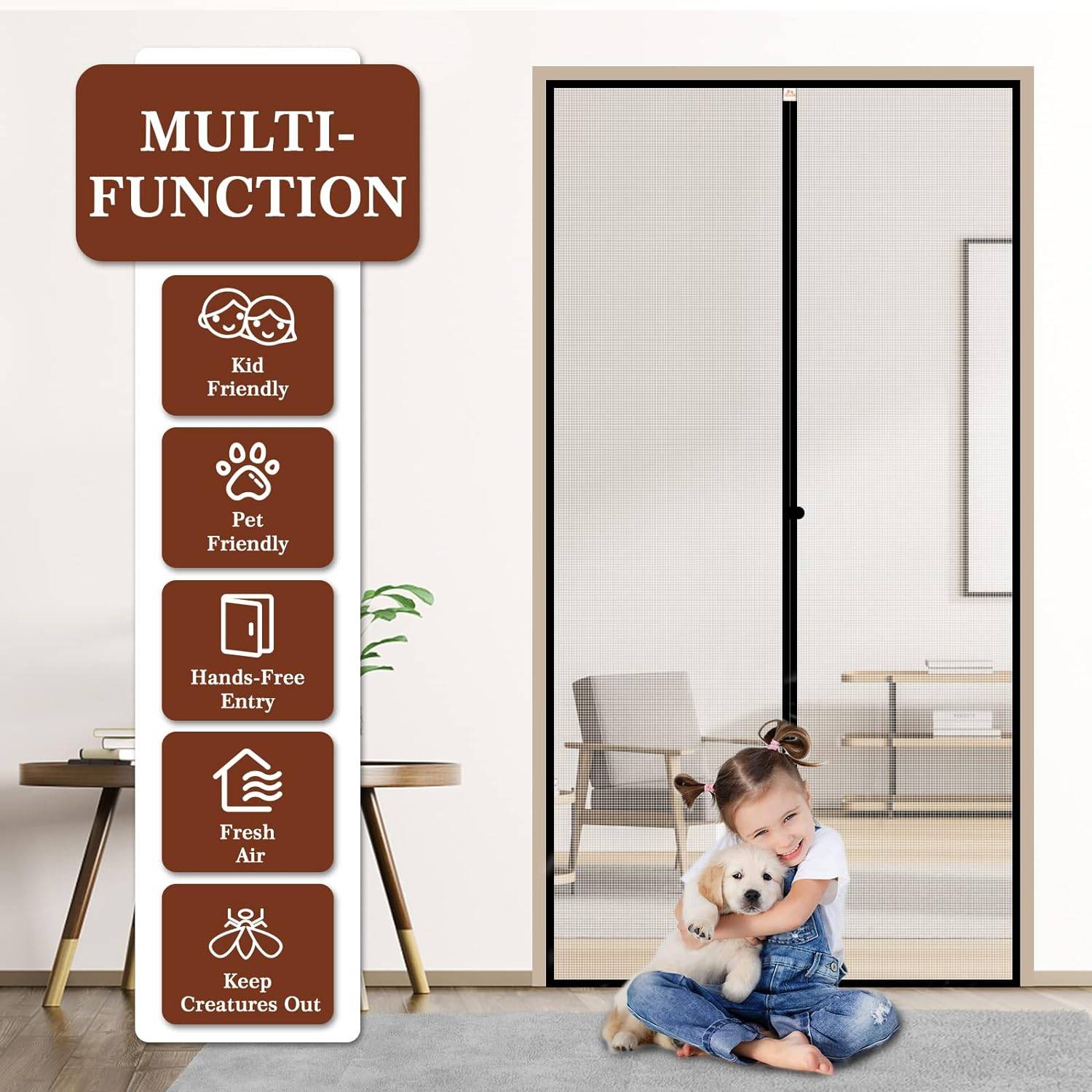
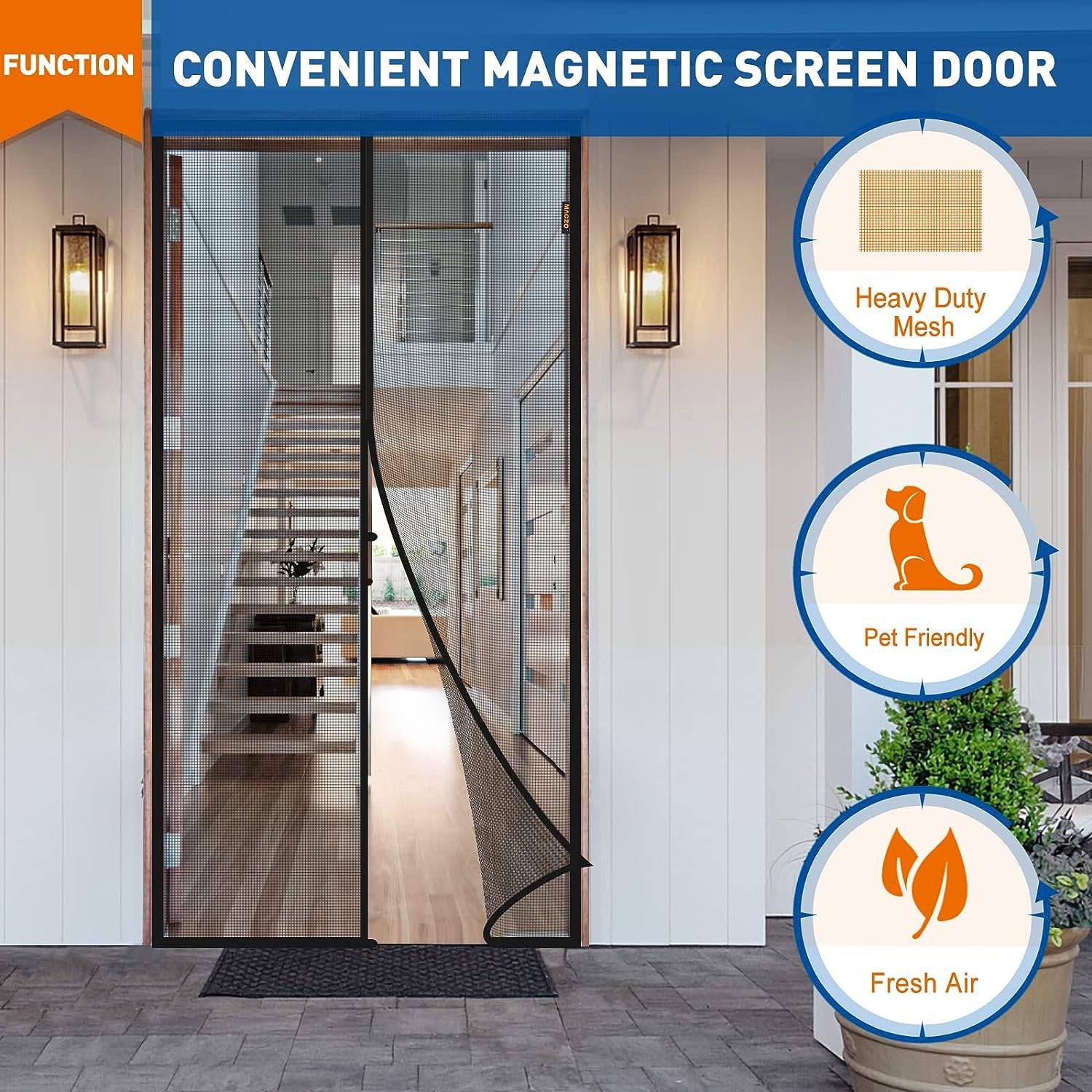 QUICK & EASY TO INSTALL & THE MOST AFFORDABLE MAGNETIC DOOR SCREEN SOLUTION
7 Reasons To Choose A DIY Magnetic Insect Screen:
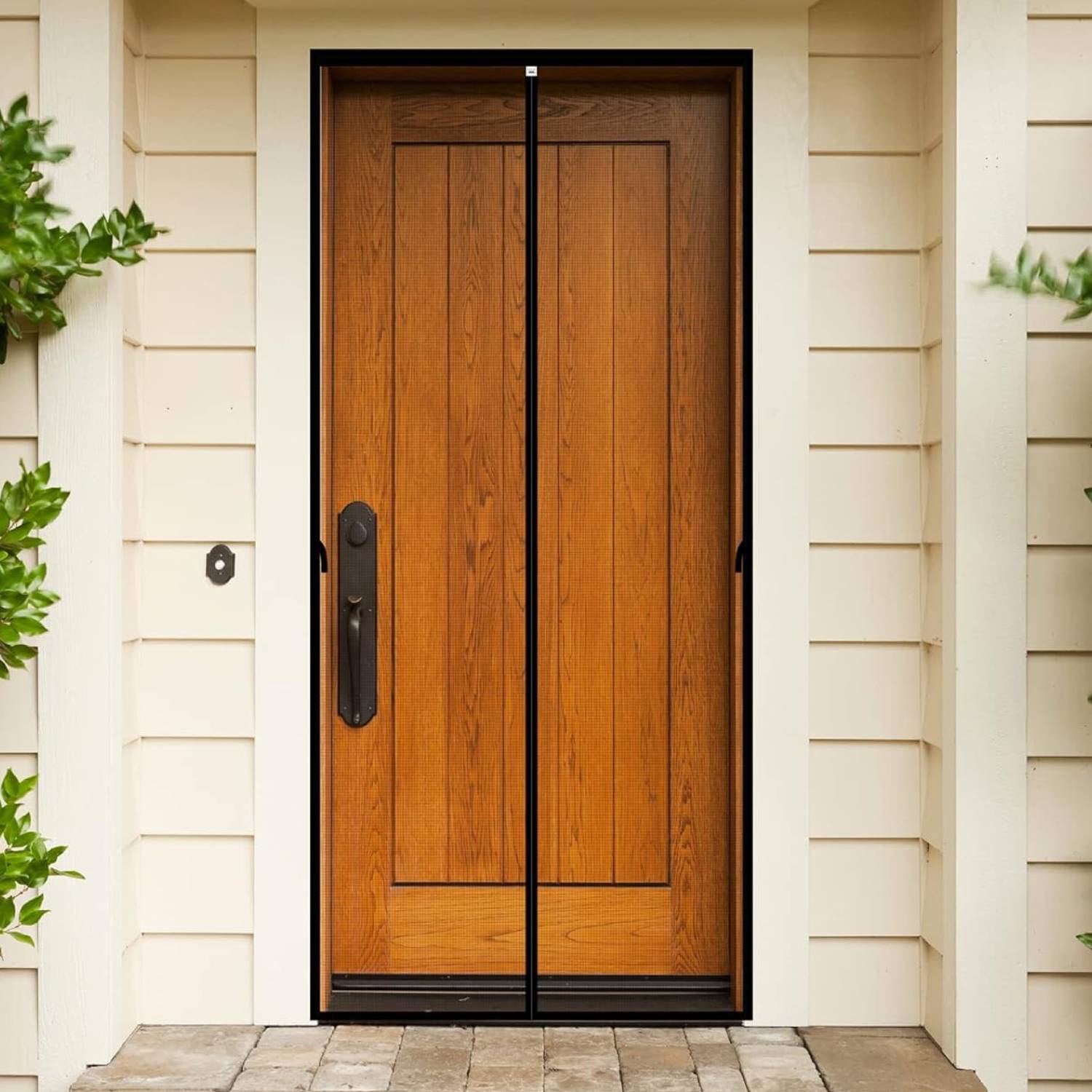
- With heavy duty magnets this ensures a quick, automatic close each and every time. Instantly opens, magically closes
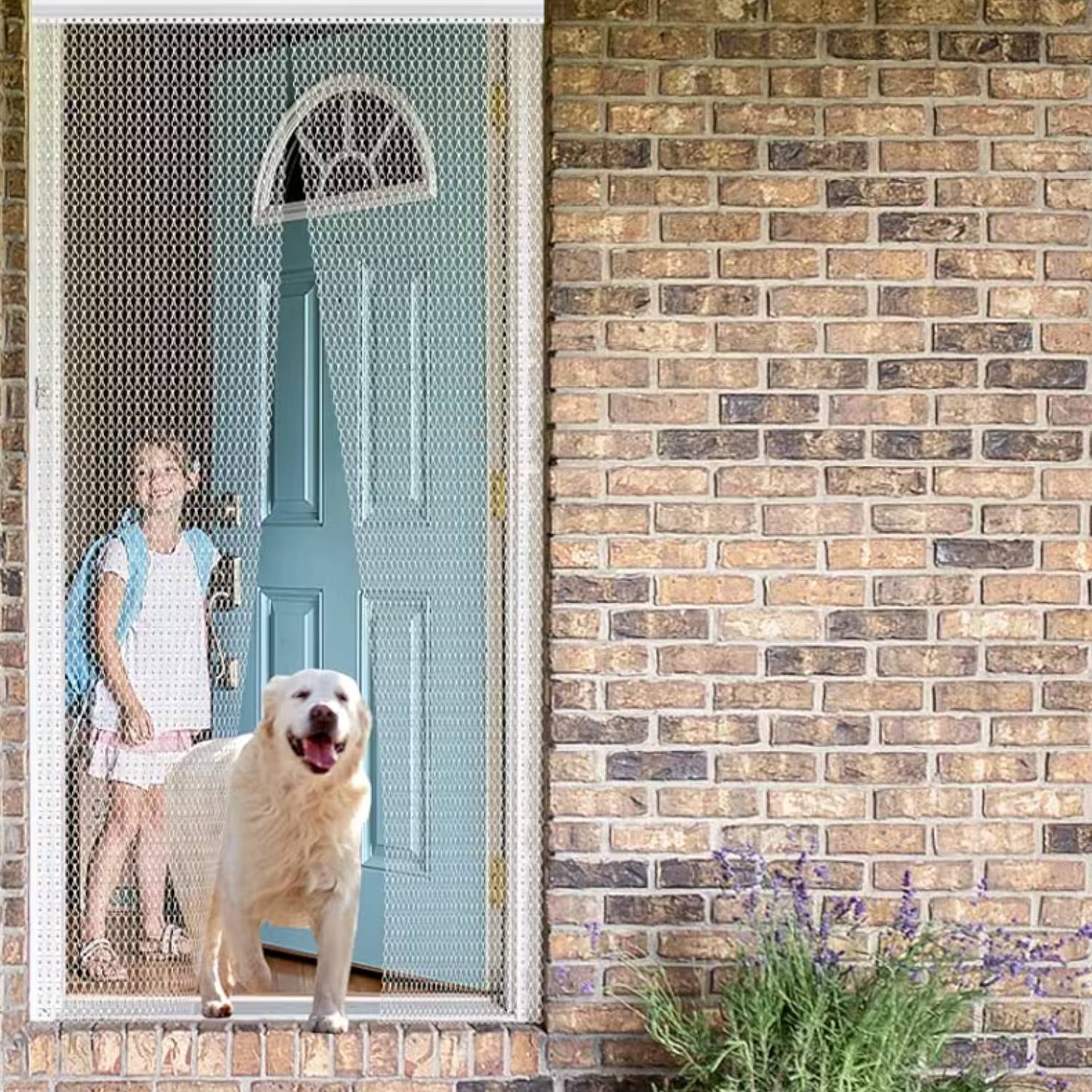
- Easy for children & pets to walk through while blocking off any flies and insects from entering the house.
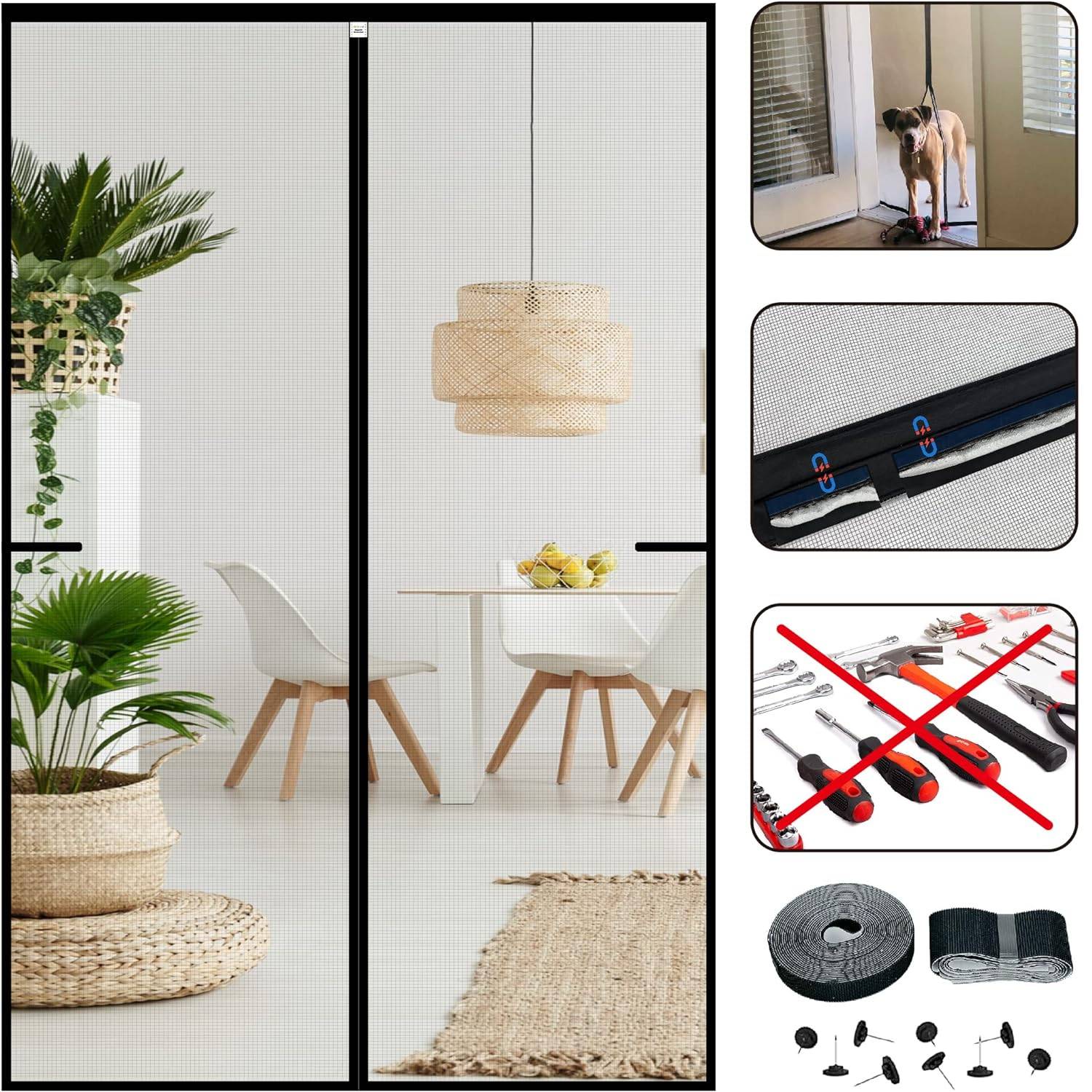
- Each magnetic flyscreen door is installed in minutes with no tradesman tools required.
- Folds up for easy storage
- Fits single doors, sliding doors, RV’s and more
- Durable, and easy to clean
An innovative approach to home fly and insect problems
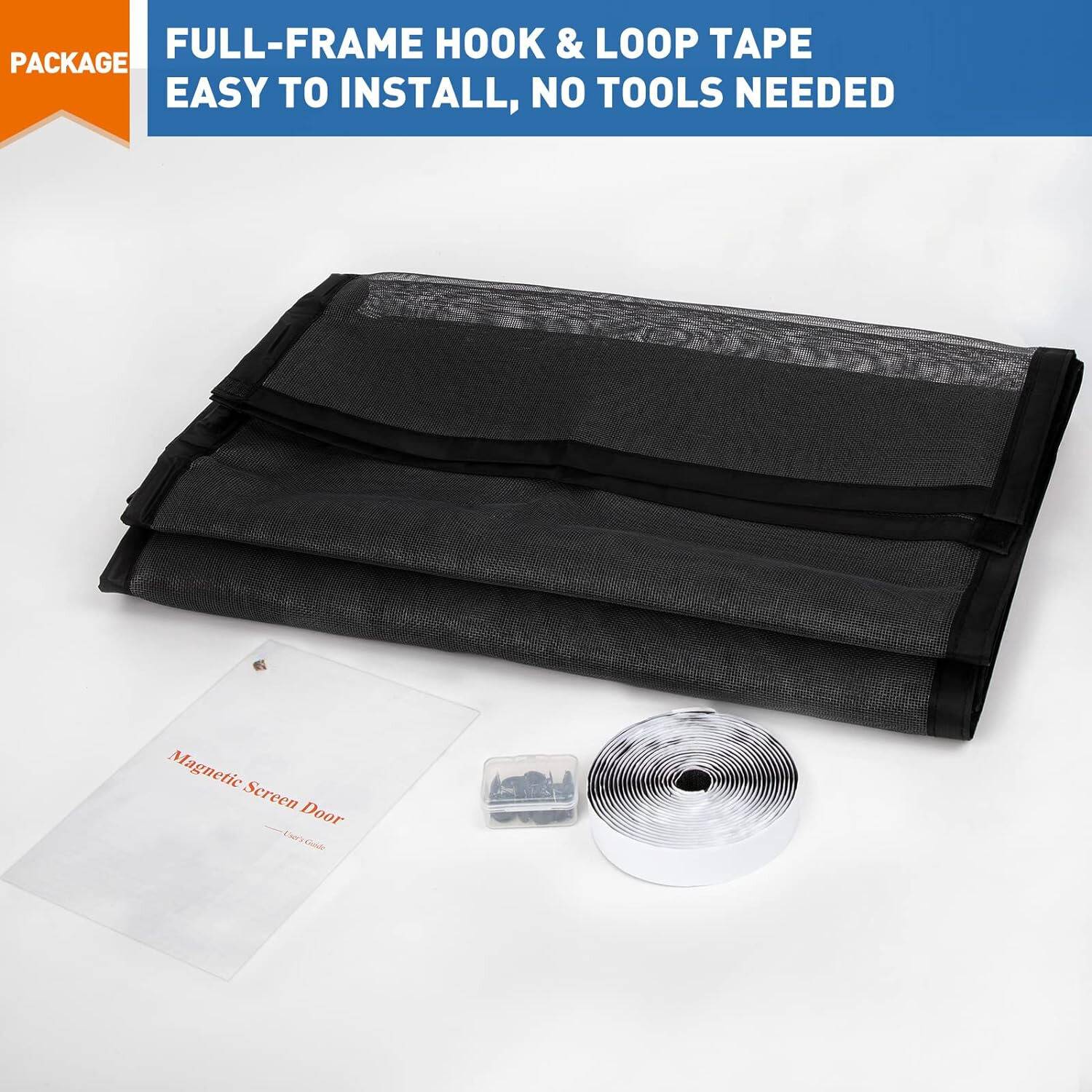
Screen Door Company has a strong and well sewn velcro frame which allows for simple installation and long lasting applications.
Once installed the premium quality mesh lets fresh air in but keeps insects, moths, flies, and other pests out.
Your DIY magnetic door screen kit is easy to install
The process of installing a DIY door curtain flyscreen is very easy.
Measure your door and order that size that will cover your door.
All magnetic door screen kits come complete with easy to follow instructions and require no screws, no nails, and will give you no hassles.
Available in black and white, to fit door sizes up to 240cm high x 180cm wide
Screen Door Company DIY Door Flyscreen features include:
- Easy ‘no hands’ walk through open and automatic close
- Durable and super sturdy mesh helps keep insects and bugs out
- Super strong magnets.
- No tools required for installation
- Wide range of applications:- home kitchen, bedroom, offices, balcony, business stores
Tips When Purchasing A DIY Magnetic Screen Door
The screen mesh is folded within the bagged packaging.
Please be careful when you opening the packaging, not to use scissors or a sharp tool which might damage the mesh
This mesh is not easy to break, and does not leave a crease marks.
Avoid the cheap nylon mesh screen doors
Compared to the cheap nylon insect screen mesh, this mesh material is more durable and will last longer in your home.
This mesh is not only great in keeping out flies and insects, but also allows fresh air and sunshine into your home.
Some benefits of buying the better quality fibreglass mesh models include:
- Chemical corrosion resistant
- Retains a good natural looking solid shape
Why Choose a Magnetic Door Screen?
A magnetic door screen provides numerous benefits for any household:
- Easy Access: The magnetic closure system lets you move through the door hands-free, which is especially convenient when carrying items.
- Simple Installation: Magnetic screens are typically easy to install and remove, making them a versatile option for any doorway.
Selecting the Best Screen Door Suppliers Near Me
When looking for screen door suppliers near me, consider these important factors to ensure you choose the best provider:
- Reputation: Look for suppliers with positive reviews and testimonials from previous customers, indicating reliable products and excellent service.
- Quality Materials: Ensure the screens are made from durable materials that can withstand daily use and weather conditions.
- Customization Options: Choose suppliers who offer custom sizing to ensure a perfect fit for your specific door dimensions.
Benefits of Working with Reputable Screen Door Manufacturers
Partnering with experienced screen door manufacturers offers several advantages:
- High-Quality Products: Manufacturers with a strong track record typically provide well-designed, durable screen doors that last.
- Innovative Designs: Established manufacturers often incorporate the latest technologies and materials into their products, ensuring optimal performance and functionality.
- Comprehensive Support: Working directly with manufacturers usually means access to expert advice and support throughout the purchasing process.
Features to Look for in a Magnetic Door Screen
When selecting a magnetic door screen from a supplier, consider these key features:
- Strong Magnets: High-quality magnets ensure the screen closes securely and keeps insects out.
- Durable Mesh: Look for tear-resistant mesh that can handle regular use without damage.
- Easy Installation: Opt for screens that come with clear instructions and all necessary hardware for hassle-free installation.
How to Maintain Your Magnetic Door Screen
Proper maintenance of your magnetic door screen ensures long-lasting performance:
- Regular Cleaning: Clean the screen regularly with a damp cloth to remove dust and debris.
- Check Magnets: Ensure the magnets are free from dirt and functioning properly to maintain a secure closure.
- Inspect Adhesive Strips: Periodically check that the adhesive strips are firmly attached to the door frame, reapplying as needed.
Why Choose Us as Your Magnetic Door Screen Supplier?
- Custom Solutions: We offer a variety of sizes and can customize screens to fit any door perfectly.
- Expert Guidance: Our knowledgeable team provides personalized advice and support to help you choose the best screen door for your needs.
- Competitive Pricing: We offer high-quality products at competitive prices, providing excellent value for your investment.
Finding Screen Door Suppliers Near Me
To find the best screen door suppliers near me, start by researching local options and reading customer reviews. Visit supplier websites to compare products and services, and don’t hesitate to contact them for more information. This approach ensures you select a supplier that meets your quality and service expectations.
Conclusion
Explore our range of magnetic door screens today and discover the perfect solution for your home.
Frequently asked questions
Why trust screen door manufacturers for custom projects?
Trust Screen Door Manufacturers for custom projects because they offer expertise, tailored solutions, and high-quality products , ensuring your unique needs are met with precision.
How do screen door suppliers near me support diy installation?
Screen Door Suppliers Near Me support DIY installation by providing clear instructions, installation kits, and customer support , making it easy for homeowners to install screen doors themselves.
What makes a magnetic door screen supplier a good partner?
A Magnetic Door Screen Supplier is a good partner due to their expert knowledge, high-quality products, and commitment to customer satisfaction , ensuring a reliable partnership.
How do screen door manufacturers ensure product durability?
Screen Door Manufacturers ensure product durability by using high-quality materials and advanced manufacturing techniques , providing long-lasting screen doors.
What variety do screen door suppliers near me offer?
Screen Door Suppliers Near Me offer a variety of options including traditional, retractable, and magnetic screen doors , catering to different preferences and needs.
Can a magnetic door screen supplier cater to commercial needs?
Yes, a Magnetic Door Screen Supplier can cater to commercial needs by offering bulk orders, custom sizes, and durable products , ideal for businesses and large-scale projects.
How do screen door manufacturers maintain high standards?
Screen Door Manufacturers maintain high standards by implementing strict quality control processes and using premium materials , ensuring each product meets industry standards.
Why choose screen door suppliers near me for quick delivery?
Choose Screen Door Suppliers Near Me for quick delivery because they offer local inventory and efficient logistics , ensuring you receive your screen doors promptly.
Is a magnetic door screen a security door?
No. A magnetic mesh door screen is for insect control. It is not a security door and it does not lock, so keep your main door locked when you need security.
What makes screen door manufacturers leaders in the industry?
Screen Door Manufacturers are leaders in the industry due to their innovation, commitment to quality, and ability to meet diverse customer needs , setting them apart from competitors.
How do screen door suppliers near me handle custom orders?
Screen Door Suppliers Near Me handle custom orders by working closely with clients to understand their needs , providing tailored solutions that fit specific requirements.
Can a magnetic door screen supplier provide installation guidance?
Yes, a Magnetic Door Screen Supplier can provide detailed installation instructions and support , ensuring your screen doors are installed correctly and efficiently.
What are the benefits of working with screen door manufacturers?
Buying from us, you can choose from set stock sizes online, ask for a quote on a custom size, and email the team with any question about measuring before you order.
How do screen door suppliers near me ensure customer satisfaction?
Screen Door Suppliers Near Me ensure customer satisfaction by offering high-quality products, responsive service, and easy returns , making the purchasing process smooth and reliable.
Why should I trust a magnetic door screen supplier?
Trust a Magnetic Door Screen Supplier for their expertise, reliable products, and excellent customer service , ensuring you get the best screen door solutions for your needs.
What innovations do screen door manufacturers offer?
Screen Door Manufacturers offer innovations such as advanced magnetic closures, durable mesh materials, and custom design options , providing modern solutions for screen doors.
How can screen door suppliers near me improve airflow?
A screen door lets you keep your door open so fresh air can come in, while the mesh helps keep bugs out.
Do you make any environmental claims about your screens?
No. We describe what our screens are made of and how they work, and we do not make environmental claims about them.
How do screen door manufacturers support large projects?
Screen Door Manufacturers support large projects by offering bulk production, customized solutions, and timely delivery , ensuring project requirements are met efficiently.
What advantages do screen door suppliers near me provide?
Advantages of Screen Door Suppliers Near Me include local availability, personalized service, and faster delivery , making it easier to obtain high-quality screen doors for your home.
How does a magnetic door screen supplier enhance home comfort?
A Magnetic Door Screen Supplier enhances home comfort by providing easy-to-install screens that keep insects out while allowing fresh air to circulate, creating a more pleasant living environment.
Why are screen door manufacturers important for businesses?
Screen Door Manufacturers are important for businesses because they offer bulk ordering options, customization, and consistent quality , ensuring commercial clients get reliable products.
What types of products do screen door suppliers near me offer?
Screen Door Suppliers Near Me offer a variety of products including magnetic door screens, retractable screens, and traditional screen doors , catering to different needs and preferences.
Can a magnetic door screen supplier customize orders?
Yes, a Magnetic Door Screen Supplier can often customize orders to fit specific door dimensions and design preferences, providing tailored solutions for your home.
What if my screen door arrives damaged or faulty?
Tell us straight away with your order number and a photo. We cover the return postage and put it right with a replacement or a refund. The detail is on our refunds and returns page.
What makes screen door suppliers near me reliable?
Screen Door Suppliers Near Me are reliable because they offer local support, quick delivery, and personalized service , ensuring you receive high-quality screen doors promptly.
Why choose a magnetic door screen supplier for my needs?
Choose a Magnetic Door Screen Supplier for their specialized expertise, wide selection, and reliable products , ensuring you get the best screen door solutions for your home.
What services do screen door manufacturers provide?
Screen Door Manufacturers provide services such as custom screen door designs, bulk order fulfillment, and high-quality production , catering to both residential and commercial needs.
How can screen door suppliers near me benefit my home?
Screen Door Suppliers Near Me can benefit your home by providing convenient access to top-quality screen doors , ensuring a comfortable and insect-free living environment.
What does a magnetic door screen supplier offer?
A Magnetic Door Screen Supplier offers a variety of high-quality magnetic door screens designed to keep insects out while allowing fresh air to flow into your home.